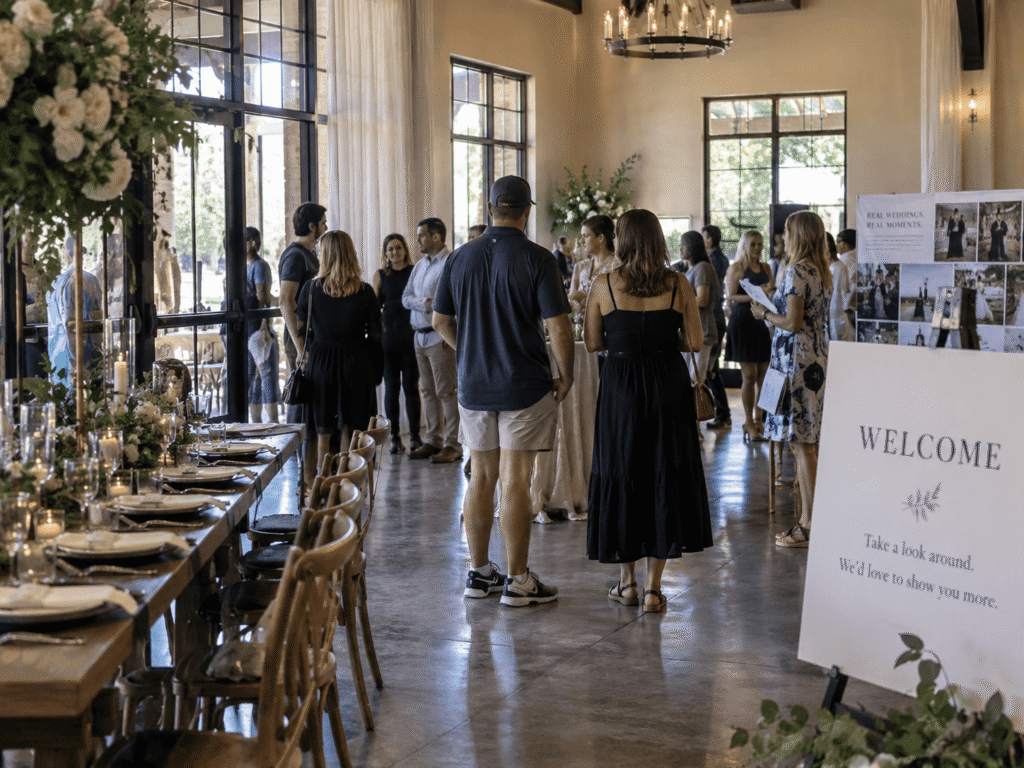

If you’re reading this, you’re likely one of the few people who think about carpets, power capacity, and guest arrival flows with the same thrill couples feel choosing a wedding dress.
The wedding venue industry in 2026 is poised to change in subtle but meaningful ways. As more couples expect immersive experiences, tighter budgets, and eco-conscious decisions, venue owners must stay ahead. This blog is designed for wedding venue owners who want to see the patterns before they solidify and act on them.
In this post, we’ll walk you through market size and growth, what’s driving demand, key trends, risks, and strategic moves you can make today to future-proof your venue.
Market Size & Growth Drivers

Let’s start with the big picture. Before you look at your calendar or price list, it helps to understand what’s happening at the industry level. Because your business doesn’t operate in a bubble.
What the Numbers Say
According to recent data from Grand View Research, the U.S. wedding services market reached about $64.93 billion in 2024. That includes everything from venues to florists, planners, and catering. It’s expected to keep growing at around 6.8% year over year until 2030.
Globally, the wedding industry is projected to sit somewhere between $300 to $400 billion depending on how you slice it. That includes a lot of categories, but venues are consistently one of the biggest wedding expenses in a couple’s average budget.
And it’s not just traditional weddings driving that growth. The destination wedding market is holding strong, even as more couples explore local venue options that feel just as special.
What’s Driving Growth
Several factors are fueling this upward wedding industry trends:
Couples want more personal weddings. They’re choosing venues that tell a story or reflect their values. This puts pressure on generic spaces to upgrade.
They’re spending differently. Even when wedding budgets are tight, couples spend more on the venue, photography, and things that show up in photos. Items like favors or printed invitations often get cut.
Technology plays a role in every decision. From booking to planning to guest experience, venues that offer digital tools are winning more leads.
Sustainability matters. Couples want to know how eco-conscious you are. That includes everything from local sourcing to composting.
Guest experience expectations have changed. It’s not just about the couple’s big day anymore. Their friends and family expect to be entertained, comfortable, and surprised—in a good way.
Understanding why couples spend the way they do helps you adjust your services and communicate your value more clearly. That’s how you stay competitive.
Key Venue Trends in 2026
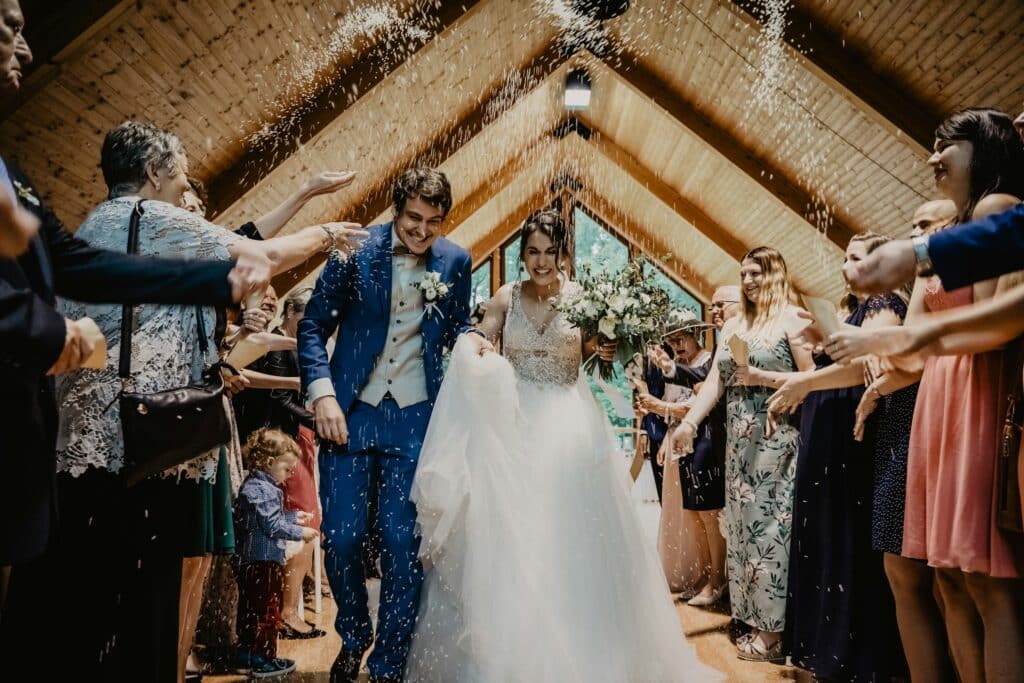
Staying ahead of the curve doesn’t mean changing your venue every year. But it does mean recognizing what kinds of weddings couples are booking, what they’re asking for during tours, and what they expect when they walk through your doors.
Design, Layout & Capacity
Couples want spaces that feel unique without being complicated to use. In 2026, venues that give couples more flexibility (and more wow moments) are the ones that will stay booked.
- Hybrid indoor/outdoor venues are no longer just a perk. Couples expect movable walls, retractable glass panels, and covered courtyards that create a fluid guest experience, rain or shine. These features also give photographers more creative freedom and help couples feel less boxed in by unpredictable weather.
- “Botanical + glass” structures are seeing a major spike in demand. Think conservatories, atriums, greenhouses, and spaces that bring the outdoors in without sacrificing comfort. The natural light is perfect for ceremony photos, and the visual appeal can reduce the need for expensive décor.
- Adaptive reuse is in. Industrial buildings, barns, and warehouses are being retrofitted with modern infrastructure. If you’re thinking about expanding or renovating, think insulation, lighting, climate control, and bathroom upgrades. Couples love a venue with character, but only if it’s comfortable.
- Micro weddings aren’t a passing phase. Hosting 50 to 100 guests is often a deliberate choice for couples who want intimacy without sacrificing quality. Venues that feel “just right” for this guest count are getting booked faster, especially when couples don’t want to pay for space they won’t use.
- Flexible floor plans will help venues stay competitive. Being able to adjust the layout based on the guest count helps make small weddings feel full and big weddings feel seamless. Rooms with movable partitions, modular furniture, and flexible décor placement give couples more options.
Experience, Duration & Format
A wedding doesn’t have to be one event anymore. It can be a weekend experience, and venues that support that mindset will stand out.
- Multi-day weddings are on the rise. Couples are turning their celebration into a three-day experience with welcome drinks, rehearsal dinners, and post-wedding brunches. Venues that can host more than one event, without making it feel repetitive, have a strong advantage.
- Immersive guest experiences are replacing standard receptions. Think mood lighting, custom scent installations, interactive photo booths, or surprise performances. These details are a part of the wedding story couples are trying to tell.
- Hybrid attendance is here to stay. Couples want their grandparents or friends overseas to watch the ceremony in real time. Having a venue with built-in streaming setups or partner vendors that can handle it is now a must.
- Bridal parties are asking for wellness options. After the wedding, couples and their closest friends often stay a day or two longer. If your venue has lodging, spa partnerships, or just a serene setting, it gives you a strong selling point. Think yoga sessions, nature walks, or just a peaceful place to relax.
Technology & Operations
Operational ease is now part of your venue’s appeal. Couples don’t want to chase PDFs or juggle 10 different contacts. They expect tech that makes planning easier.
- Virtual visits and 3D layouts are becoming standard. If a couple can’t tour in person, they still expect to visualize what the space will look like with their setup. Interactive walkthroughs and augmented reality tools help close the sale.
- End-to-end management software is a must-have. Couples and wedding planners need centralized platforms that handle contracts, payment schedules, timelines, and vendor coordination. Bonus if they can message you or your coordinator through the system. Having this in place can ensure to your clients that you are secure in your wedding venue management.
- Built-in AV and lighting systems aren’t extras anymore. If your venue still requires vendors to bring everything in, you’re likely losing bookings. Rigging points, power distribution, and easy controls matter.
- Using data to refine offerings is becoming more common. Venues that track lead sources, booking patterns, and seasonal trends are better equipped to adjust pricing, staffing, and marketing throughout the year.
Sustainability & Brand Ethics
Couples are more conscious than ever about the values behind their venue choice. They want more than a pretty space—they want to know what your business stands for.
- Sustainability practices like composting, solar panels, waste tracking, and refillable water stations are influencing bookings. Even basic eco-friendly choices like LED lighting or low-waste bathrooms help.
- Local partnerships and responsible sourcing are a plus. Whether it’s florists who use native plants or caterers offering plant-based menus, couples notice who you work with.
- Your venue’s identity matters. Couples want to align with wedding venue brands that reflect their values, whether that’s community-focused, heritage-driven, or environmentally conscious. Your story—how you started, what you believe, who you support—is part of your brand.
These trends aren’t fads. They’re signals from the market about what couples expect. You don’t need to overhaul everything at once, but adapting your offerings and messaging to match these expectations will help your venue stand out in a crowded space.
Challenges & Risks for Venue Operators
Growth doesn’t come without friction. Whether you’ve been in the industry for a decade or you’re just starting out, the challenges of running a wedding venue evolve every year. What used to be considered extra is now expected. With more couples, planners, and vendors involved in every detail, venue owners are feeling the pressure. Here are some of the most common challenges we are seeing for venue owners:
Rising Costs
Labor, materials, insurance, and utilities are more expensive than they were even a year ago. You might want to raise your prices to keep up, but there’s a limit before couples start looking elsewhere. The challenge is offering a quality experience while managing overhead and keeping your pricing competitive. It takes ongoing evaluation of your expenses, offerings, and margins.
Seasonality and Off-Peak Struggles
Spring and fall are still the most popular months to get married in the United States. If your venue is only booked during peak weekends, you may be missing important revenue opportunities. Winter and summer dates tend to remain open. Couples may not see the value in booking during those months. You can respond by offering seasonal incentives, creating new packages, or promoting other types of events like corporate gatherings, photo shoots, or elopements.
More Competition Than Ever
Traditional venues are not the only option anymore. Airbnbs, private estates, lofts, historic homes, and outdoor spaces are all competing for wedding bookings. These spaces often offer unique settings or flexible terms. This means you have to think beyond the basics. When couples are comparing your venue to a backyard wedding with a view, your message should focus on reliability, convenience, and professional service that other spaces cannot provide.
Execution Pressure with External Vendors
When a couple books your venue, they imagine the entire day, not just the walls and layout. That includes the florist setting up quickly, the photographer getting perfect light, and the caterer having space and power to serve. If those vendors struggle during setup, it reflects poorly on your business. You may not be in charge of each vendor, but you are responsible for creating a space that works well for all of them. The easier you make it for professionals to do their jobs, the more likely they are to refer you.
Constant Regulation and Compliance Hurdles
Zoning rules, fire codes, insurance requirements, and accessibility laws are always changing. Staying up to code is not a one-time task. One season it might be a noise restriction. The next, an update to your exit signage. Keeping up with local regulations helps you avoid fines and build trust with couples who want a safe and reliable venue. Compliance is part of your reputation.
Client Expectations Keep Climbing
Couples want more than a venue. They want to see the vision. When they tour your space, they’re imagining their wedding from start to finish. If you can’t help them picture how it will flow, or if the logistics feel too complex, you may lose the booking. You need to explain how the space works, how vendors will set up, and how guests will feel from arrival to send-off. The venue is not just a backdrop. It’s part of the wedding experience.
Addressing these challenges takes awareness and planning. You don’t need to fix everything at once, but identifying areas where your venue can improve helps you stay in control of your business and your bookings.
8 Strategic Implications & Recommendations
Now that you know what the industry looks like and what today’s couples are asking for, the next step is figuring out what to do with that information. The venues that stay fully booked are not always the biggest or the most luxurious. They are the ones that pay attention, adapt intentionally, and build their business around how couples actually plan weddings. Here’s some tips:
1. Offer Tiered Packages and Modular Add-Ons
Couples do not all want the same thing. A one-size-fits-all pricing structure can limit your revenue. Offering a clear base package gives couples a starting point. From there, allow them to add upgrades like extended hours, enhanced lighting, custom décor, or assistance with vendor coordination. This creates flexibility and helps you appeal to both budget-conscious and premium clients.
2. Invest in Infrastructure That Supports the Full Event
When vendors have to bring in their own lighting, power, or sound equipment, the setup becomes more complicated. This can affect the overall flow of the event and how vendors perceive your venue. Investing in built-in lighting, sound, rigging points, and prep areas improves the experience for everyone. Simple upgrades like better climate control and accessible parking can also have a big impact.
3. Make Your Sustainability Story Public and Measurable
Couples want to feel confident about where they spend their money. If your venue uses local florals, composts waste, or offers digital signage, share those details clearly. Track your sustainability metrics. Let couples know what percentage of waste you divert or how you offset your impact. These facts can influence their final decision.
4. Develop Multi-Use Capabilities Year-Round
If your space is only active during wedding season, you are leaving revenue untapped. Think about other types of events your venue could support. Consider styled photo shoots, business retreats, birthday parties, or vow renewals. A few additions like movable furniture or modular lighting can make your space more versatile without changing your core wedding focus.
5. Curate and Invest in a Vendor Network
Couples often ask for recommendations. Having a network of trusted event planners, florists, caterers, and photographers makes you more helpful and easier to work with. Build those relationships by attending local events, hosting open houses, and spotlighting your preferred vendors. A strong referral network can increase your bookings and create loyal partnerships.
6. Use Data and Feedback to Improve Constantly
Every booking tells you something. Whether it is how a couple found you, what services they chose, or what feedback they offered, that data is valuable. Use it to make decisions. Send post-event surveys, review your lead sources, and adjust your packages based on what people actually book. This approach helps you stay informed and make smarter changes.
7. Support Hybrid and Remote Wedding Elements
Some guests will not attend in person. Couples are looking for ways to include family and friends who cannot travel. Providing livestream options or tech support for remote guests can set you apart. Even a simple video setup can help couples feel like they are taking care of everyone. This makes your venue more inclusive and emotionally supportive.
8. Build a Brand That Couples Can Connect With
Your venue is more than a physical space. It is part of a couple’s story. Share your personality and values clearly in your photos, videos, and messaging. Use real wedding stories to show the kind of experience you provide. When couples see themselves in your venue, they are more likely to book and to recommend you to others.
These strategies do not require dramatic change. With consistent effort and thoughtful updates, your venue can attract more of the right couples and build a business that lasts with a reputation as a good wedding venue.
Conclusion on Wedding Venue Industry

The wedding industry in 2026 is full of opportunity… but only for venues that are paying attention to what couples want and what the market is actually doing. The venues that succeed this year won’t just be the most beautiful or the most affordable. They’ll be the ones that can adapt, communicate their value clearly, and run their business like the high-impact service it is.
If you’re ready to stop guessing and start growing, Fully Booked Venue is built for that. We help venue owners turn insights into action. Whether you need to revamp your packages, build a stronger wedding venue business model, or finally create a wedding venue business plan example that reflects how couples actually book in 2026, we’ve got your back.
Running a venue is hard. Booking it out doesn’t have to be.
Key Takeaways
- The wedding industry around the U.S. continues to grow; the U.S. wedding services market was $64.93 billion in 2024.
- Destination weddings still command premiums, but many couples will compare local options more seriously.
- Trends to watch: hybrid venues, micro weddings, immersive guest experiences, sustainability.
- The biggest challenge is balancing rising costs, high expectations, and off-season demand.
- Strategic moves: tiered offerings, infrastructure investment, vendor networks, multi-use programming, brand narrative.
Frequently Asked Questions
How big is the wedding venue industry?
The wedding venue industry plays a major role in the broader event and hospitality market. According to recent wedding industry statistics, venues remain one of the largest expenses in a couple’s budget. Current wedding statistics show that couples are spending more intentionally, especially when choosing where to host their wedding reception.
How profitable is owning a wedding venue?
Owning a wedding venue can be a profitable business when managed strategically. Profit margins vary based on overhead, staffing, and seasonal demand. Many successful venues expand their offerings to include vendor referrals, décor rentals, or exclusive catering arrangements. Building strong relationships with reliable wedding vendors often leads to increased referrals and higher client satisfaction.
What industry does a wedding venue fall under?
A wedding venue is typically categorized within the event services and hospitality industries. Industry statistics indicate that many locations now operate in hybrid roles—serving not only weddings but also elopements, micro-events, and corporate retreats. Venues that market their services effectively on trusted wedding websites often capture more inquiries during peak wedding planning months.
What makes a venue stand out to engaged couples?
Couples are searching for more than just a pretty backdrop. They’re looking for a venue that supports their vision of a dream wedding. Key decision factors include layout flexibility, clear communication, onsite amenities, and more than half indicate they want strong coordination support. Even small details like making space for a modern twist on the wedding cake can influence a couple’s decision. Being responsive and helpful during wedding planning also builds trust.
How can venues stay competitive in 2026?
To stay competitive, venues must respond to shifting couple expectations. Offering space for intimate weddings, supporting hybrid attendance, and showing up in search results on popular wedding websites all play a role. Listening to feedback from both clients and wedding vendors and providers can reveal opportunities for improvement. When you track your own metrics alongside broader wedding industry statistics, you can make smarter, more confident decisions.
Free · 2 minutes · No call required
Going into the next booking season with a real plan
Where does your venue stand right now, and what should this year’s marketing actually be aimed at? The free ROI calculator gives you your stage, the gap to your inquiry goal, and where to put your budget first — in about two minutes.