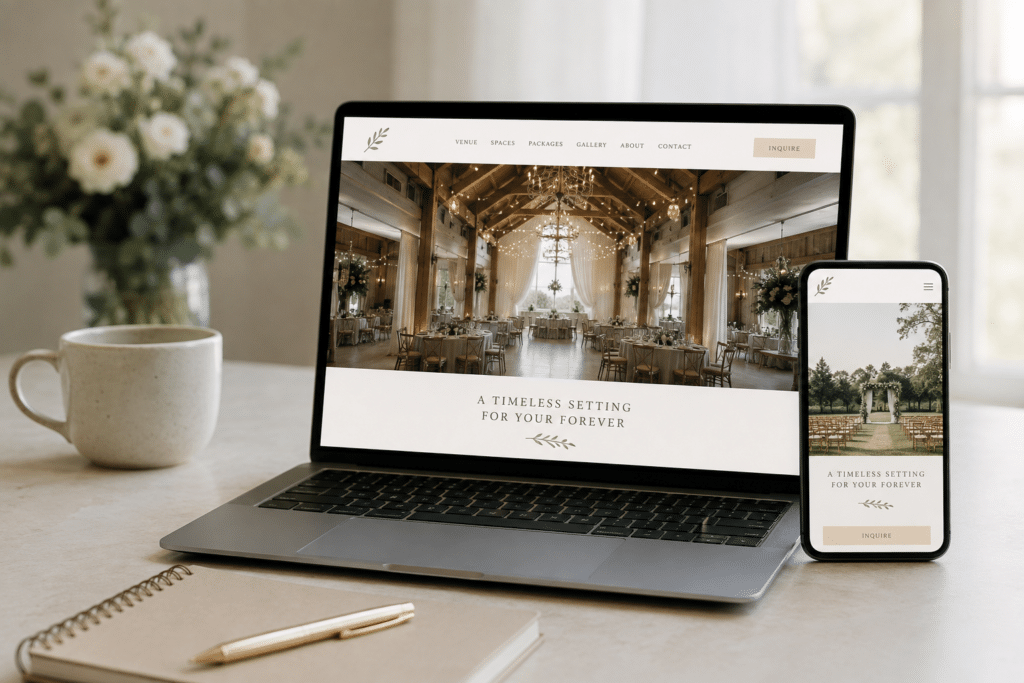

Empty off-season dates have a way of making even confident venue owners second-guess the calendar.
The property still has value. The costs still show up. Staff, utilities, cleaning, maintenance, admin time, insurance, and sales follow-up do not disappear because a Wednesday in February or a Sunday in August sits open.
Once that date passes, the revenue is gone.
That pressure is where a lot of venues start making pricing decisions they would not make during peak season. They cut the rate too quickly. They throw in extras without a clear reason. They promote vague seasonal specials. They create one-off deals that help one date move while making the rest of the calendar harder to price.
A better wedding venue off season booking strategy starts with a cleaner question: how do you make slower dates easier to book without teaching couples to wait for a discount?
That is what this guide covers.
We will break down wedding venue off-season booking strategy. We will walk through the bundles that can make softer dates more appealing without gutting your margin. We will also cover which buyer segments are most likely to book those dates, what kills off-season conversion, and how to protect peak pricing while using slower dates more strategically.
Let’s get started.
The Real Off-Season Demand Problem
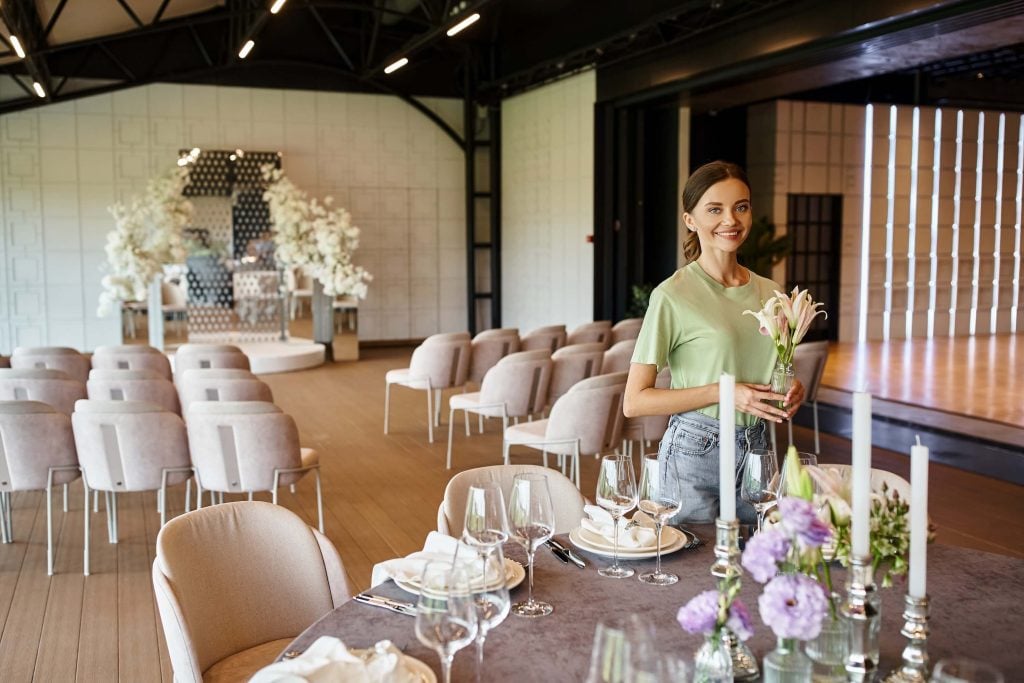
Most venues think they have a pricing problem when they actually have a demand-shaping problem.
A slow date is rarely slow for one reason. It is usually a mix of lower couple urgency, weaker emotional pull, less guest availability, less weather confidence, and less planner enthusiasm.
A Saturday in October sells itself because the market already understands the value. A Thursday in March needs a stronger reason to move.
The mistake is treating every date on the calendar as the same product with a different price.
A peak Saturday, a shoulder-season Friday, a winter Sunday, a weekday micro-wedding, and a corporate holiday party are different offers. They have different buyers, different value drivers, different objections, and different sales paths.
Your off-season strategy should answer four questions:
- Which dates need demand shifted toward them?
- Which buyer segments are most likely to accept those dates?
- What package gives those buyers a clear reason to book?
- How do we protect peak pricing while filling slower inventory?
If your strategy starts and ends with “take 20 percent off,” you are giving up margin without creating a stronger buying reason.
The Fully Booked Venue Off-Season Pricing Tier Model
A healthier way to price slower dates is to use a tiered model that separates calendar value, package value, and buyer fit.
Here is the model we recommend for venues that want more mid-week wedding booking volume and stronger shoulder-season conversion.
Tier 1: Protected Peak Dates
These are the dates with the highest natural demand.
For many venues, that means prime-season Saturdays, holiday weekends, and the months that already book first. These dates should not be used as the testing ground for discounts. They should anchor the venue’s premium position.
Protected Peak Dates should carry your strongest rate, cleanest inclusions, and most confident sales process.
Use these dates to protect the rest of the pricing structure. When a couple asks for a discount on a peak Saturday, your team should have a clear answer and a clear alternate path.
Example response:
“We do not discount peak Saturdays because those dates consistently book at full rate. If budget flexibility matters, we can look at Friday, Sunday, or select shoulder-season dates with different package options.”
That answer protects the premium date while giving the couple a way forward.
Tier 2: Shoulder-Season Value Dates
Shoulder-season dates sit close enough to peak demand that they should rarely be treated like distressed inventory.
These dates may include early spring, late summer, winter weekends, or months that perform unevenly based on weather, school calendars, or regional travel patterns.
The pricing play here is not a deep discount. The better move is value packaging.
A Shoulder-Season Value Date might include:
- A preferred ceremony upgrade
- Extra setup time
- Included lounge furniture
- A getting-ready suite extension
- A rehearsal window
- A smaller bar or catering credit
- A decor storage window
- A planner-friendly logistics add-on
The goal is to make the date feel smarter, not cheaper.
This tier works well for couples who like the venue but have some flexibility around season, guest count, or day of week. They still want a wedding experience. They are not necessarily looking for the lowest possible rate.
The sales message should sound like this:
“Our shoulder-season dates are ideal for couples who want the full venue experience with more room in the budget for guest experience, design, or food and beverage.”
That framing keeps the venue’s value intact.
Tier 3: Mid-Week Booking Dates
Mid-week wedding booking requires a different offer because the couple is making a bigger tradeoff.
A Tuesday, Wednesday, or Thursday wedding can work extremely well for the right segment, but the package has to match the buyer’s reality. Guests may need time off. Travel may be harder. Vendors may have different availability. The couple may need a smaller format.
The best mid-week packages are narrower, clearer, and easier to buy.
Strong mid-week packages often include:
- Shorter event windows
- Smaller guest count ranges
- Ceremony and reception in one area
- Limited setup complexity
- Clear vendor rules
- Faster planning timelines
- Optional weekday vendor partners
- Photo-friendly ceremony times
- Transparent pricing on the website or inquiry follow-up
A strong mid-week offer should not feel like a stripped-down version of your Saturday wedding. It should feel purpose-built for a couple that values intimacy, savings, availability, and lower planning pressure.
Good mid-week package names might include:
- The Weekday Estate Wedding
- The Thursday Celebration Package
- The Mid-Week Micro-Wedding
- The Private Ceremony and Dinner Package
- The Weekday Elopement Reception
A weak package name like “Discounted Weekday Rental” tells the buyer that the main value is the lower price. That makes negotiation more likely.
Tier 4: Non-Wedding Event Dates
Some off-season dates should not be sold only to wedding couples.
Corporate events, nonprofit galas, rehearsal dinners, milestone parties, private dinners, styled shoots, workshops, retreats, and community events can help fill calendar gaps that wedding demand may never fully cover.
This is especially useful for venues with strong indoor spaces, easy parking, built-in AV, catering flexibility, or proximity to business districts and hotels.
The key is to avoid mixing every event type into the same sales page or inquiry path. A corporate buyer does not think like an engaged couple. A planner booking a nonprofit fundraiser does not need the same emotional story as a bride comparing ceremony backdrops.
For non-wedding event dates, create a simple sales path with:
- Event types served
- Capacity ranges
- Half-day and full-day options
- Food and beverage rules
- Parking and access details
- AV and rental notes
- Sample floor plan options
- Fast response expectations
Venues that only market to couples often miss revenue hiding in plain sight.
The Wrong Way to Discount Off-Season Dates
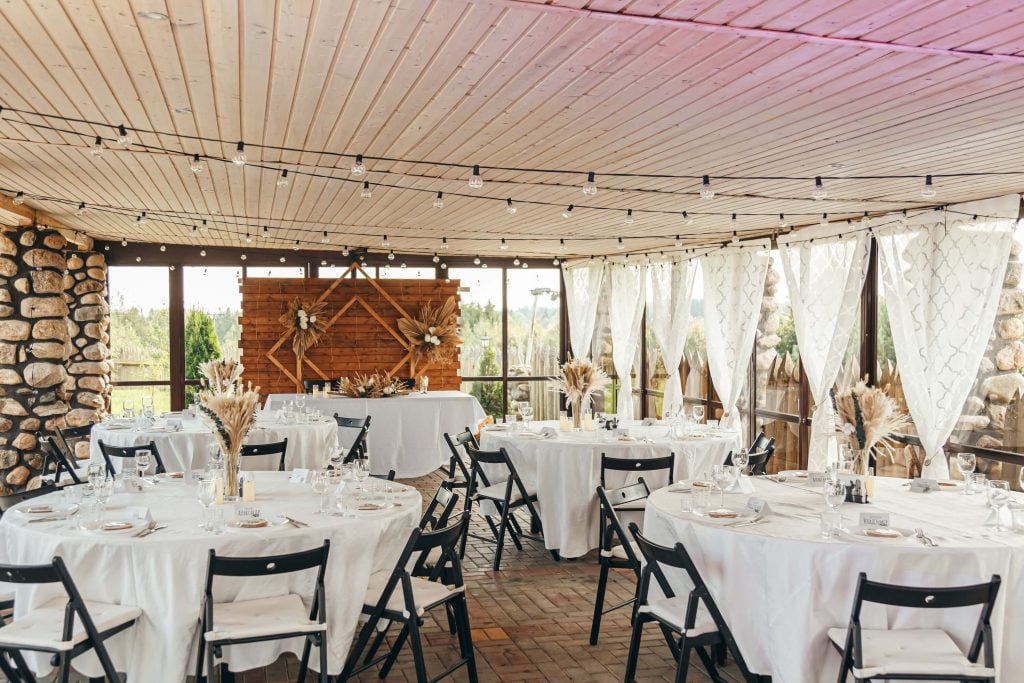
The fastest way to weaken off-season pricing is to drop the rate without changing anything else.
Same package. Same rental window. Same guest count. Same access. Lower price.
That may help one date move, but it creates problems quickly.
Couples start to wonder if they should wait for a better offer. Your sales team starts making exceptions that are hard to explain later. Planners and repeat referral partners may start treating your rate as flexible instead of firm.
The bigger issue is what it does to your best dates.
If the market gets used to seeing loose discounts on slower dates, your peak-season pricing can become harder to defend. A couple asking about an October Saturday may start looking for the same wiggle room you offered for a February Thursday.
The better move is conditional pricing.
A discount or lower rate should be tied to a specific condition, such as:
- Date category
- Day of week
- Guest count
- Event window
- Planning timeline
- Package scope
- Payment terms
- Included spaces
- Setup complexity
This gives the lower price a reason.
A 40-guest Thursday micro-wedding with a shorter event window is a different product from a 175-guest Saturday wedding with full property access. The price can be lower because the scope is different, not because the venue caved.
That distinction matters.
Off-Season Bundles That Actually Help Dates Move
Once the pricing rules are clear, the next question is what couples are actually buying.
A lower off-season rate on its own usually is not enough. The couple still has to believe the date works for their guest list, their timeline, their budget, and the kind of wedding they want. That is where bundles help.
A good bundle makes a slower date easier to understand. It gives the buyer a clear use case, a clear scope, and a clear reason the package fits that date. A weak bundle adds random perks and hopes the couple sees more value.
For off-season dates, the bundle should answer the buyer’s biggest hesitation before they have to ask.
Here are the strongest bundle types for slower wedding dates.
The Micro-Wedding Bundle
Best for: couples with 20 to 60 guests, second weddings, private family weddings, destination-adjacent couples, budget-aware couples who still want a polished venue experience.
Package structure:
- Ceremony space
- Dinner or reception space
- Shorter rental window
- Getting-ready access
- Preferred photography window
- Simple floor plan options
- Optional vendor shortlist
- Guest count cap
Why it works:
Micro-wedding couples often want clarity. They are not always looking for a fully custom planning process. A tight, well-scoped package helps them see the path quickly.
Conversion note: Do not bury this inside your full wedding package PDF. Give it its own section, page, or inquiry path.
The Weekday Wedding Bundle
Best for: flexible couples, local couples, smaller guest counts, couples planning quickly, couples with family-heavy guest lists.
Package structure:
- Monday through Thursday availability
- Defined ceremony and reception window
- Lower rental rate tied to day of week
- Limited guest count range
- Add-on access for rehearsal or welcome event
- Optional vendor recommendations with weekday availability
Why it works:
Weekday couples need confidence that the experience will still feel complete. The bundle should show that the weekday format has been thought through.
The Shoulder-Season Guest Experience Bundle
Best for: couples who want the full venue experience but have flexibility around month or date.
Package structure:
- Prime-like wedding format
- Shoulder-season date range
- Added guest experience item
- Included weather backup planning
- Photo location guidance
- Optional seasonal design recommendations
- Clear payment schedule
Why it works:
Shoulder-season buyers may still want a premium wedding. The bundle should increase confidence around seasonality instead of pushing the date as a bargain.
The Corporate and Private Event Bundle
Best for: businesses, nonprofits, local organizations, executive retreats, holiday parties, donor events, brand events.
Package structure:
- Half-day or full-day rental
- AV notes
- Room layouts
- Parking details
- Catering rules
- Setup and breakdown windows
- Weekday availability
- Fast inquiry response
Why it works:
Corporate and private event buyers often need practical answers fast. They may care less about ceremony views and more about access, flow, food, sound, seating, and timing.
Conversion note: Do not send corporate buyers through a wedding-heavy inquiry funnel unless you want drop-off.
For more on building a venue offer that can support multiple revenue paths, read The Wedding Venue Business Model.
What Kills Off-Season Conversion

Off-season bookings usually fall apart through a series of small doubts.
The date feels less convenient. The weather feels less predictable. The guest list feels harder to coordinate. The package feels less proven. The decision carries more questions than a peak-season Saturday.
That is why slower dates need a cleaner sales path.
If your off-season offer creates too many unanswered questions, the couple will keep looking. Before lowering the rate again, look at the places where your website, inquiry response, package structure, or sales process may be making the date harder to book.
These are the conversion-killers that matter most:
Hidden Pricing
If a couple has to ask whether weekday or shoulder-season pricing exists, many will never ask.
This does not mean you need to publish every rate. It does mean your website and inquiry follow-up should make the options easy to understand.
A simple structure works:
- Peak-season Saturdays
- Fridays and Sundays
- Mid-week weddings
- Micro-weddings
- Off-season and shoulder-season dates
- Private events
The goal is to help the buyer self-identify.
Weak Date Positioning
“Off-season availability” sounds like inventory that failed to sell.
Better language ties the date to a specific benefit:
- More vendor availability
- More intimate guest experience
- More flexibility around setup
- Better fit for smaller weddings
- Stronger value for full-property access
- Faster planning path
The date needs a reason beyond being open.
Overloaded Packages
Many venues try to make off-season packages attractive by adding too many inclusions. That can create confusion and make the offer harder to compare.
A stronger package has a clear buyer, clear date range, clear scope, and clear next step.
If the buyer cannot explain the package back to you in one sentence, the offer is probably too complicated.
Poor Weather Confidence
Shoulder-season and winter weddings often create weather anxiety.
A venue should address that directly with:
- Rain plan photos
- Indoor ceremony examples
- Seasonal gallery sections
- Heating and cooling notes
- Guest comfort details
- Backup layout options
- Timeline examples for lower-light months
Do not make the couple imagine the backup plan. Show it.
Slow Inquiry Response
Off-season buyers are often comparing value, availability, and ease. A slow response tells them the planning experience may be hard.
A strong inquiry reply should include:
- Available date categories
- Package fit
- Starting price or pricing path
- Guest count confirmation
- Tour CTA
- Relevant gallery or package link
- Clear next step
Speed matters most when the buyer has flexible dates and several venue options.
No Sales Script for Rate Protection
If your team does not know how to explain off-season pricing, the couple will treat the price as negotiable.
Every venue should have a short internal script for:
- Why peak dates are priced differently
- Why weekday pricing is lower
- What changes between packages
- Which dates have added value
- Which dates do not receive discounts
- How to redirect budget-sensitive couples
Pricing discipline is easier when the team has language ready.
For more on standing apart from similar venues without racing to the bottom on price, read how to make your wedding venue stand out.
Wedding Venue Off Season Booking Strategy: A Simple 30-Day Plan
Now that the basics are in place, we’ve put together a four-week plan to help you turn the strategy into action.
The plan starts with the calendar, because the dates tell you where the pressure is. From there, it moves into pricing, packaging, and the sales path, so every slower date has a clearer reason to book and a cleaner route from inquiry to tour.
Week 1: Audit the Calendar
Review the last 12 to 24 months of inquiries and bookings.
Look for:
- Dates that received inquiries but did not book
- Months with low tour-to-booking rates
- Weekdays with no clear offer
- Shoulder-season dates that sat too long
- Lost leads that mentioned budget or date flexibility
- Event types you turned away or failed to follow up with
The goal is to identify the inventory that needs a stronger sales path.
Week 2: Build the Tier Model
Sort your calendar into pricing categories.
Start with:
- Protected Peak Dates
- Shoulder-Season Value Dates
- Mid-Week Booking Dates
- Micro-Wedding Dates
- Corporate and Private Event Dates
Then define the rules for each category.
Include date range, guest count, rental window, inclusions, exclusions, payment terms, and sales notes.
Week 3: Package the Offers
Create one clear offer for each slow-date category.
Do not write a giant package menu. Build the smallest number of offers needed to create clarity.
Each offer should include:
- Who it is for
- Best-fit dates
- Guest count range
- Starting price or pricing path
- Key inclusions
- Booking conditions
- Tour CTA
Week 4: Fix the Sales Path
Update the website, inquiry response, sales script, and follow-up sequence.
Prioritize:
- Website sections for weekday and shoulder-season weddings
- A micro-wedding page or package block
- Seasonal galleries
- Fast inquiry replies
- Clear tour CTAs
- Lead tracking by date category
- Follow-up language for flexible couples
The offer needs to appear before the couple disappears.
Final Takeaway
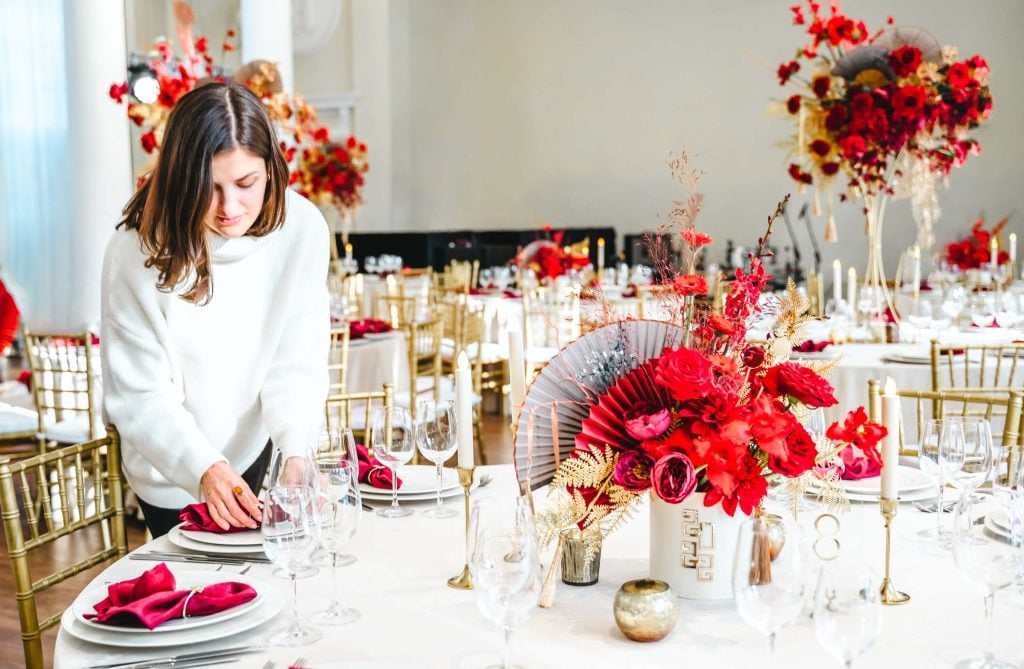
Off-season bookings do not come from random discounts, seasonal social posts, or vague availability announcements.
They come from a calendar strategy.
The venues that fill more mid-week and shoulder-season dates usually know which dates need support, which buyers are most likely to book them, which packages make the offer easy to understand, and which pricing rules protect the rest of the business.
If your venue has open weekdays, soft shoulder-season demand, or off-season packages that are not converting, the issue may be your positioning, pricing structure, inquiry path, competitive set, or offer design.
Fully Booked Venue can help you see where the gap is.
Book a Competitive Review
If slower dates are sitting open and you are unsure whether the issue is pricing, packaging, positioning, or follow-up, book a competitive review.
We will review how your venue shows up against the market, where couples may be dropping off, and what needs to change so your off-season and mid-week dates have a stronger chance of booking without weakening your premium dates.
Key Takeaways
- Off-season dates need a strategy before they need a discount. Empty mid-week and shoulder-season dates create pressure, but reactive deals can weaken the rest of the calendar.
- Every date category needs its own pricing logic. Peak Saturdays, shoulder-season weekends, weekday weddings, micro-weddings, and private events should not be treated like the same product.
- The right buyer matters as much as the right price. Micro-wedding couples, weekday-flexible couples, short-timeline couples, and private-event buyers each need a different offer.
- Bundles should make slower dates easier to say yes to. Strong bundles reduce hesitation around guest count, timing, weather, planning complexity, or event format.
- Conversion issues can make good offers fail. Hidden pricing, vague packages, weak weather plans, slow follow-up, and unclear sales language can keep off-season dates from booking.
Frequently Asked Questions
What is considered off season for wedding venues?
For most venues, off-season depends on the local market, weather, school calendars, tourism patterns, and regional wedding demand. In many areas, the winter months are the slowest, while early spring, late summer, and certain post-holiday dates may also fall into the off peak wedding season. The best way to define it for your venue is to review inquiry volume, booked dates, tour requests, and close rates by month.
What is the cheapest month for weddings?
The most affordable wedding months are usually the dates with lower demand, often January, February, March, or August depending on the market. Couples may see cost savings during these slower months because venues and vendors have more availability, but owners should avoid making price the only reason to book. The better move is to package the date around value, comfort, guest experience, and planning clarity.
How can wedding venues book more mid-week weddings?
Venues can book more mid-week weddings by making the offer specific instead of treating weekday dates like leftover inventory. A strong mid-week package should have a clear guest count range, event window, pricing logic, and buyer fit. Micro-weddings, short-timeline couples, and local guest lists can be a strong match because they often have more flexibility and a better understanding of what they want from the day.
Should wedding venues discount off-season dates?
Venues can offer discounts on off-season dates, but the offer should be tied to clear conditions such as date type, guest count, event length, package scope, or payment terms. A vague off season wedding promotion can weaken pricing discipline if it teaches couples to wait or negotiate. A structured weekday or shoulder-season package gives the venue an advantage because the lower price has a clear reason behind it.
How do you price shoulder-season wedding dates without hurting peak-season pricing?
Price shoulder-season dates as a separate category with its own value, rules, and package structure. These dates create a unique opportunity to appeal to couples who want a strong venue experience with more flexibility around timing, guest count, or vendor selection. Instead of cutting the rental rate too deeply, include controlled value such as extra setup time, seasonal photo guidance, a beverage credit, or a warm indoor backup plan.
What should venues include in an off-season wedding package?
A strong off-season package should make the date easier to picture and easier to book. Useful inclusions can include seasonal gallery examples, vendor recommendations, a sample timeline, rain or cold-weather layouts, and simple guest-count options. Details like hot chocolate service, candlelit indoor spaces, flexible ceremony timing, or referrals to local vendors such as photographers and florists can add beauty without turning the package into a random list of extras.
What are the biggest tips for improving off-season wedding conversion?
The biggest tips are to make slower-date offers visible, answer seasonal concerns early, respond quickly to inquiries, and give each date category a clear reason to book. Couples should know what package fits them, what dates are available, and what the next step is before they feel stuck in wedding planning research. If the sales path is clear in advance, more couples can begin moving toward a tour with confidence.